
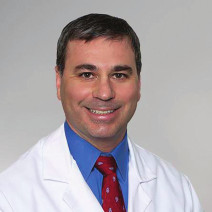
Richard Cassa, PA-C, MPAS, MBA

Norwalk Hospital

Richard.Cassa@nuvancehealth.org
Bio

Richard Cassa, PA-C, MPAS, MBA is originally from Huntington, New York. He received his Bachelor’s of Arts degree in Foreign Languages from the State University of New York at Geneseo in Geneseo, NY. While studying in Geneseo, Richard became a volunteer AEMT and firefighter for the Geneseo Volunteer Fire Department. After graduation, he earned a Graduate Certificate in Physician Assistant Studies from Weill Cornell Medical College in New York City. He later received a Master’s in Physician Assistant Studies from the University of Nebraska Medical Center. In 2016 he completed an MBA from the Keller School of Management.

Mr. Cassa has twenty years of experience as a Physician Assistant. Most of his career has focused on Neurosurgery and Neurocritical Care. He has worked at Institutions such as New York Presbyterian Hospital-Cornell and Yale New Haven Hospital. While at Cornell, he was awarded the Physician Assistant of the Year award. He is an Adjunct Professor for the Physician Assistant Institute at the University of Bridgeport in Bridgeport CT. He has co-directed CME courses at NYP and at Yale and has published in the Journal of the American Academy of Physician Assistants. Currently Mr. Cassa is the Director of Physician Assistant Surgical Residency program at Norwalk hospital.

In his free time, Mr. Cassa enjoys spending time with his wife, and 13-year-old son, running and hiking.

Scholarly Project

Impact of a Mindfulness Program on a Physician Assistant Surgical Residency

SCHOLARLY PROJECT
Impact of a Mindfulness Program on a Physician Assistant Surgical Residency

Richard Cassa, PA-C, MPAS, MBA

Patricia A. Tietjen, MD
Teaching Academy, Nuvance Health

PROJECT ABSTRACT

Impact of a Mindfulness Program on a Physician Assistant Surgical Residency

Many healthcare professionals including Physicians and Advanced Practice Providers experience burnout during their resident years. Despite the growing focus on trainee burnout, there is a lack of effective wellness programs that can easily be combined into a trainee’s curriculum. The purpose of this study was to explore the effects of a mindfulness program on Physician Assistant Surgical Residents through pretest and posttest comparison. Twelve surgical Physician Assistant (PA) Residents voluntarily participated in a structured mindfulness program initiated by their Program Director. An informal needs assessment was conducted by the Program Director and data were shared with a meditation instructor specialized in working with individuals affected by trauma and suffering from Post-traumatic Stress Disorder (PTSD). Participants completed two pre-course surveys prior to the first mindfulness session; first, the Maslach Burnout Inventory (abbreviated) which measured burnout as defined by symptoms of emotional exhaustion, depersonalization, and personal accomplishment. The second survey, the Response to Stressful Experiences Scale, measured individual differences in cognitive, emotional, and behavior responses to stressful life events. Data from these surveys and regular interviews with the Program Director informed the meditation instructor’s program design. The program consisted of four, fifty-minute sessions, held in-person over eight weeks in March and April 2022. Each session consisted of a brief introduction, science behind the meditation techniques, and time to practice the techniques. Both surveys will be readministered as posttests two weeks following the final session. The first survey provided pretest baseline measurements for future comparison. Over 33% of initial responses to the Maslach Burnout Inventory demonstrated a high burnout rate regarding personal accomplishments. Over 41% of PA resident responses reflected a high burnout rate of emotional exhaustion. Fortunately, over 83% of respondents acknowledged a low burnout rate regarding the depolarization of patient care. The baseline Response to Stressful Experiences Scale demonstrated higher scores representing greater resiliency. Two additional post-course surveys will be administered to collate longitudinal results. They are expected to demonstrate improvement in the resiliency of PA residents and burnout from emotional exhaustion and personal accomplishments. Data from previous research on mindfulness programs show decreased rates of burnout and increased resiliency and happiness. The author’s hypothesis is that participation in a structured mindfulness program will allow PA residents to understand their individual responses to stress and this knowledge / self-awareness may lead to lower burnout rates. A future mindfulness course will be conducted earlier in the subsequent PA residency year and survey responses will be collected at various points throughout the academic year. Further research is needed to explore the impact of a mindfulness program on rates of exhaustion, resiliency and happiness, and to determine any correlation with improved patient care and reduced employee turnover.