BaFá BaFá: Transforming Cultural Competence in Health Professions Education
Immersive Learning for Inclusive Healthcare
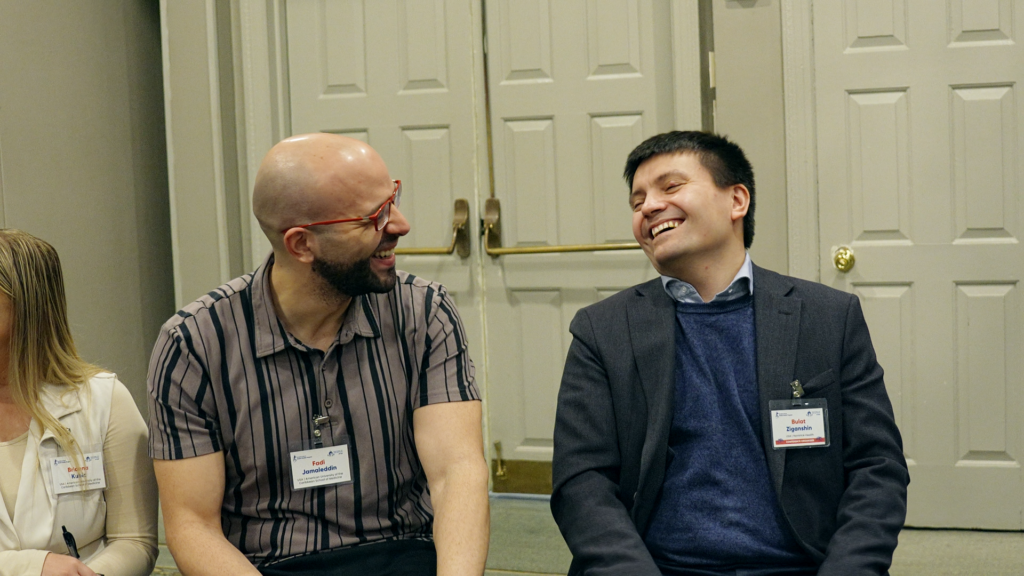
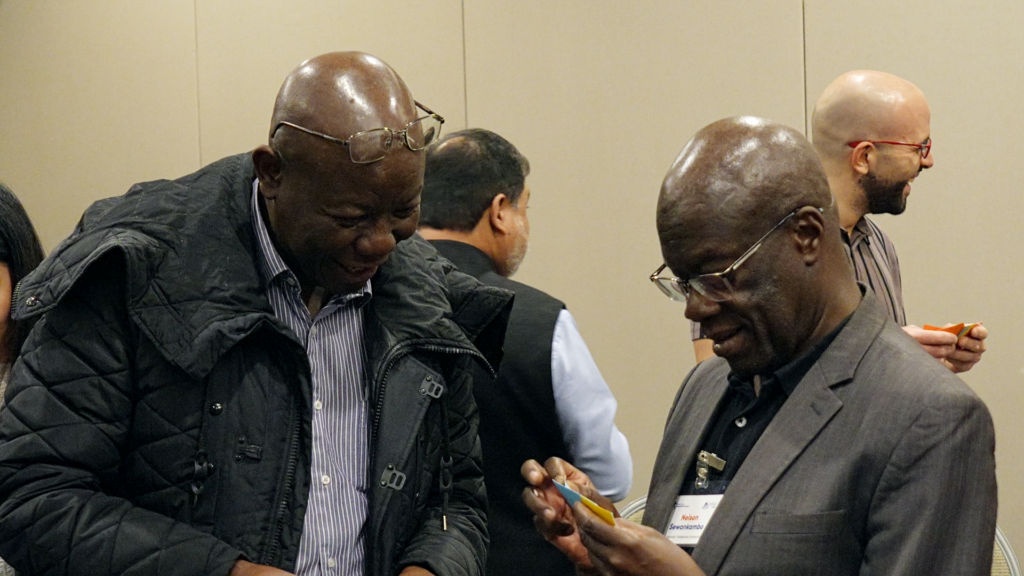
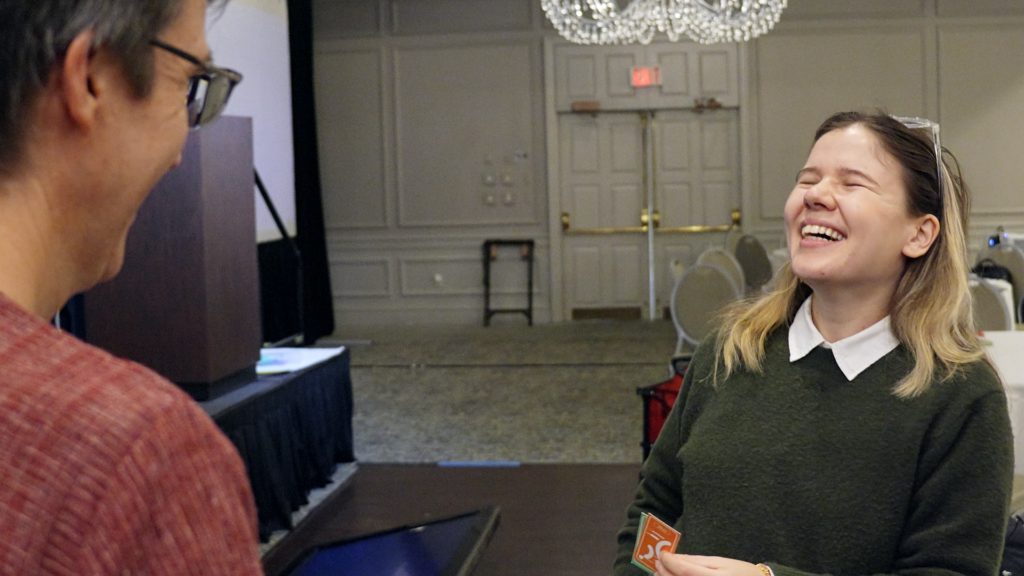
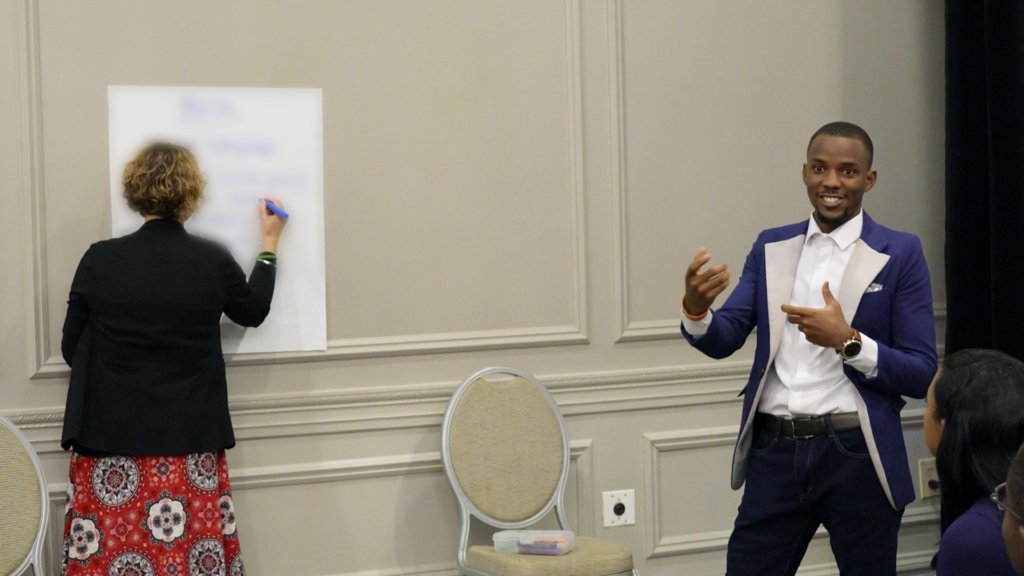
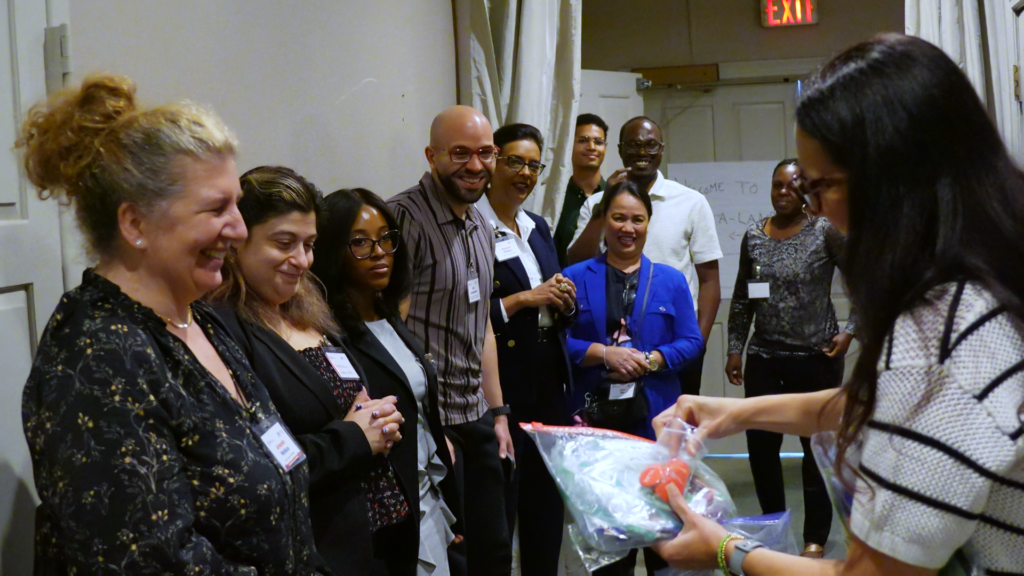
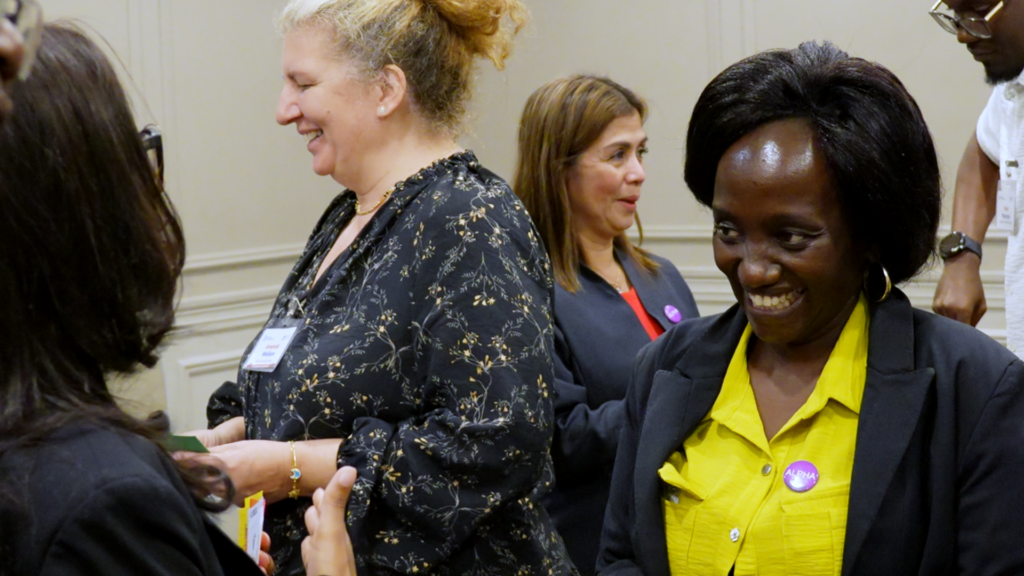
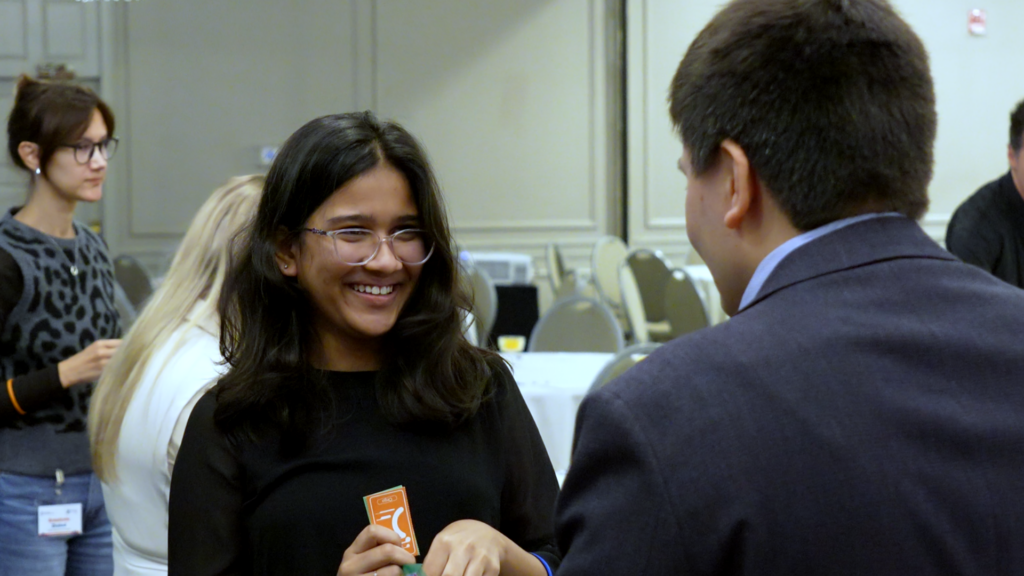
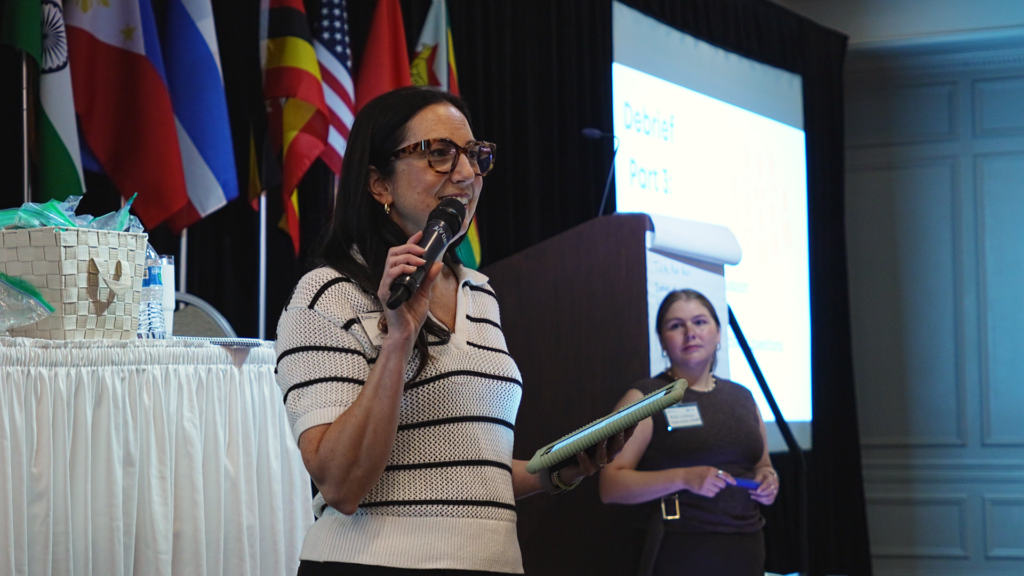
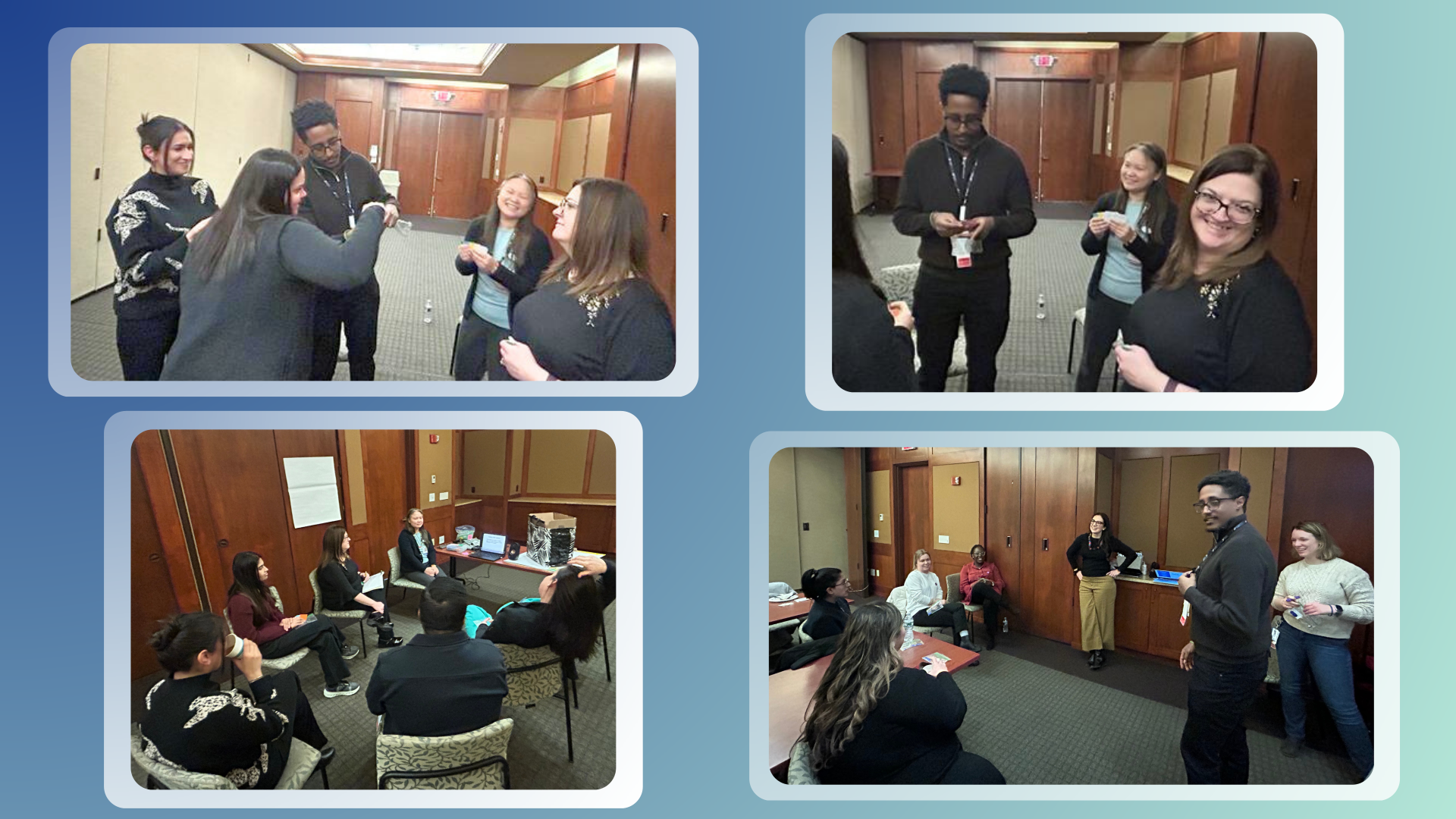
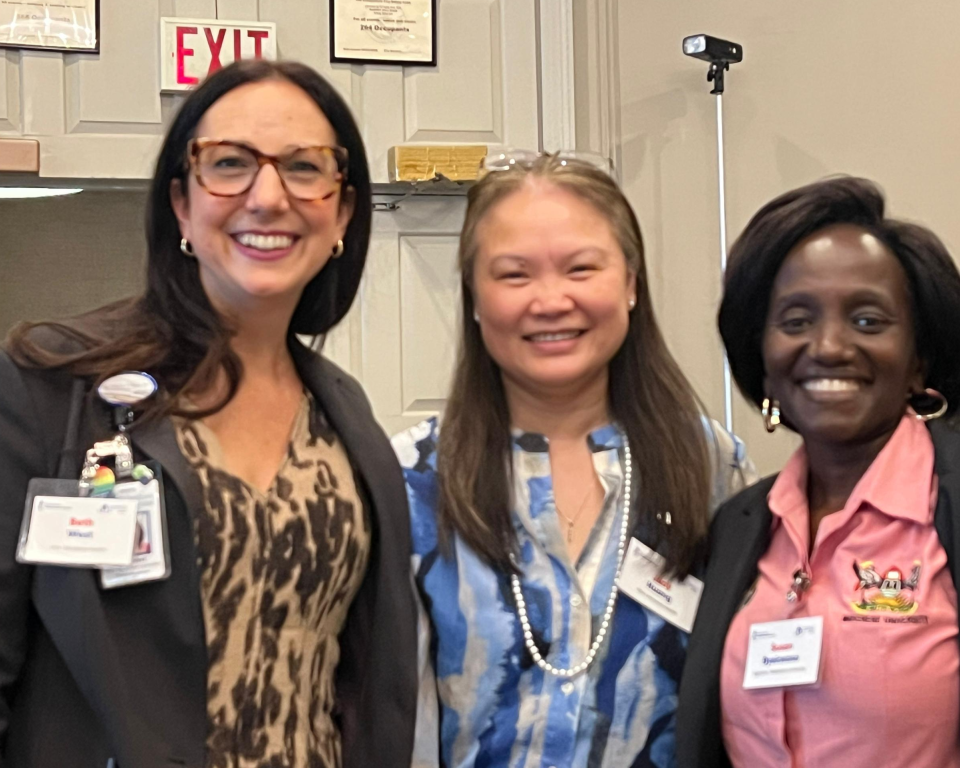
BaFá BaFá – an immersive intercultural learning simulation for health professions educators – is a cornerstone of the Teaching Academy’s Scholarly program development. Led by Dr. Beth West, EdD, Executive Director of the Patricia A. Tietjen, MD Teaching Academy, and Dr. Judy Huang, PhD, PharmD, BCPS, DPLA, System Director of Pharmacy Infusion Services and Inaugural Scholar, this dynamic experience challenges educators to navigate unfamiliar cultural norms.
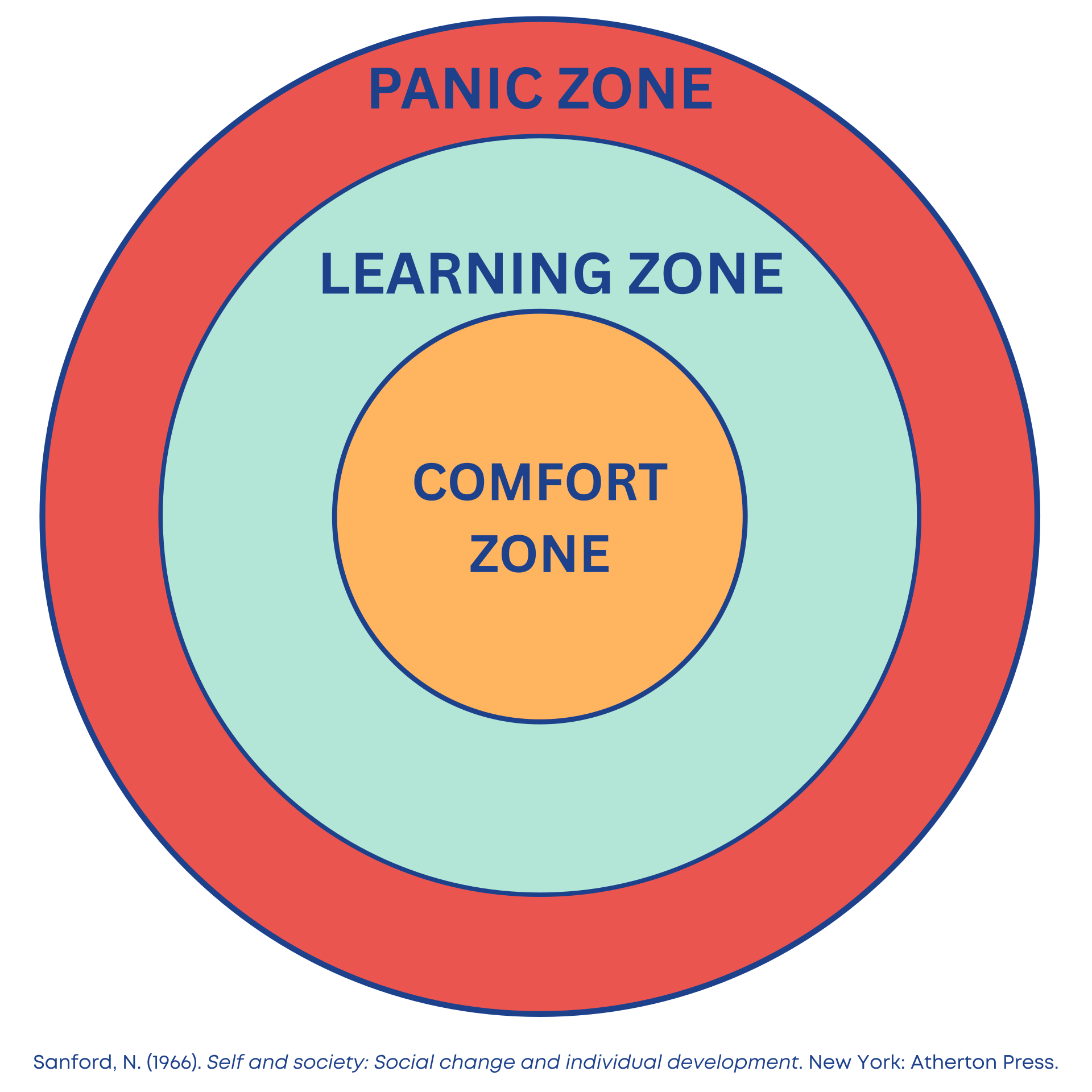
Participants are guided from the “safe zone” into the “learning zone,” where they experience a simulated form of culture shock. In doing so, they develop cross-cultural competence, empathy, and a deeper understanding of how culture shapes healthcare education. The simulation equips educators to foster more inclusive learning environments for both colleagues and patients.
Featured Sessions for 2025–2026
In the 2025–2026 academic year, BaFá BaFá is featured in two key Teaching Academy sessions: with Year 2+ Continuing Clinician Educators on November 13 at New Milford Hospital, and with Trainee Track Scholars on January 8 at Danbury Hospital.
A Growing Impact Across the Academy
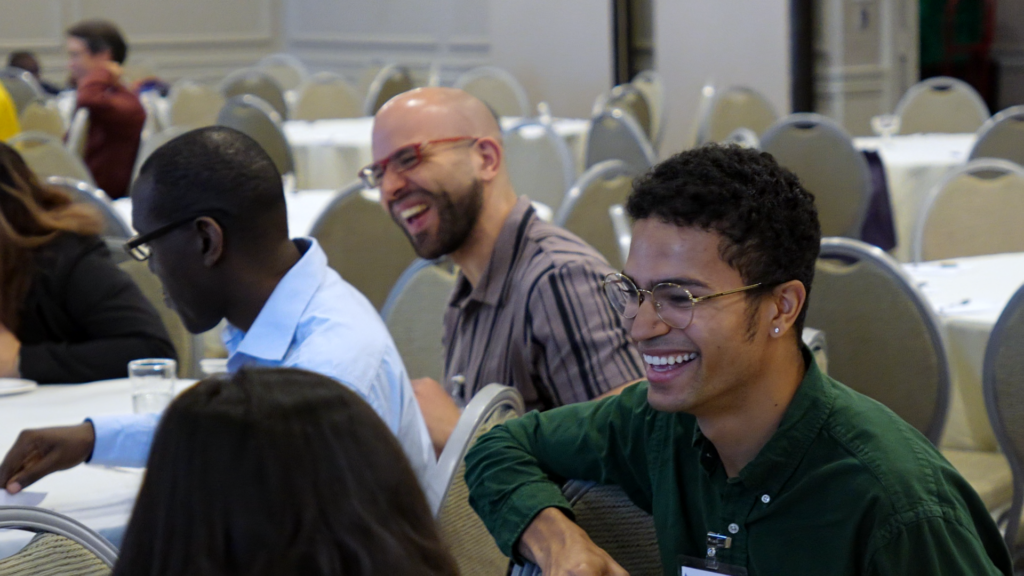
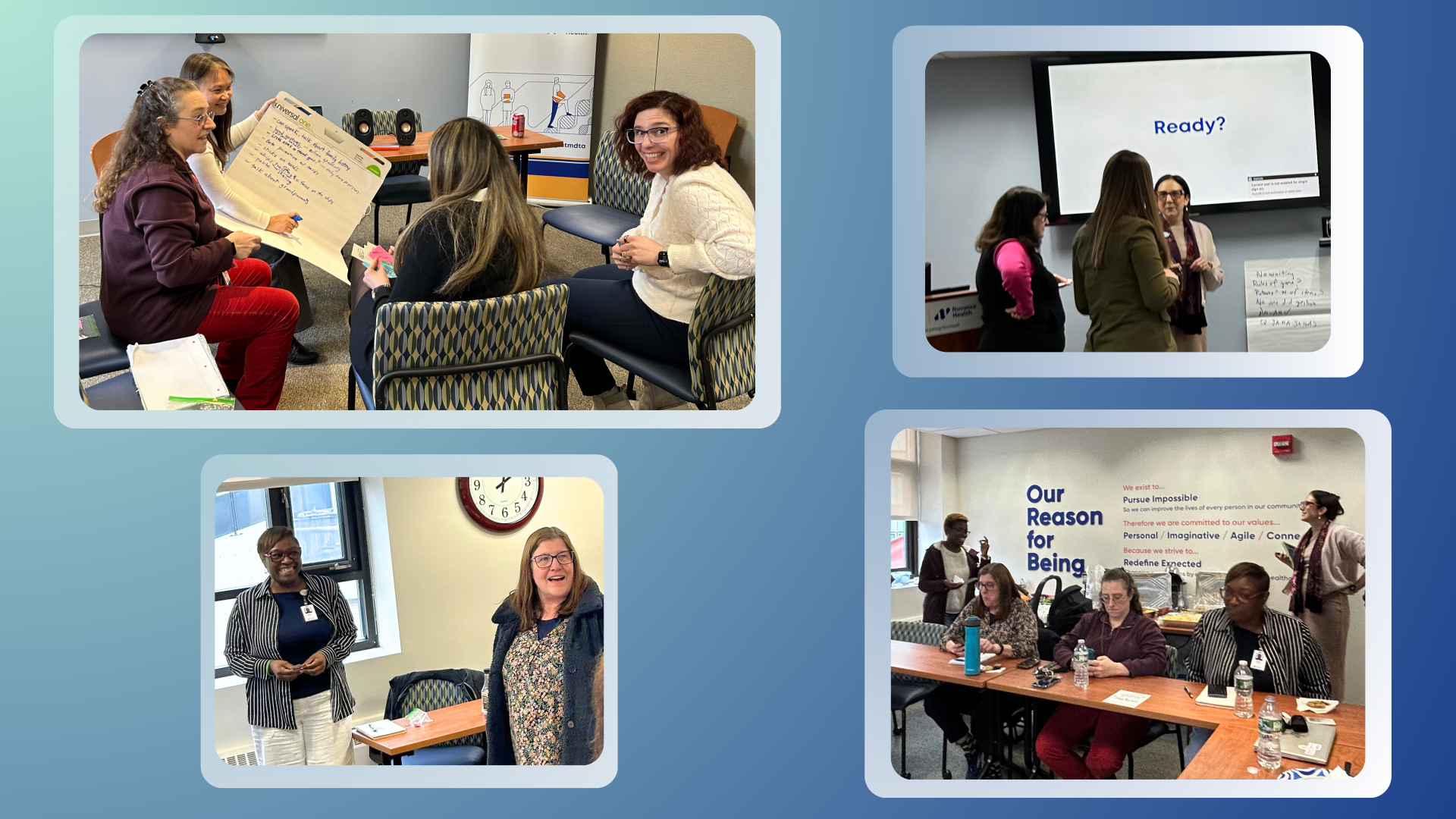
BaFá BaFá’s influence continues to resonate across our academic community. In August 2024 and again in August 2025, incoming medical students at the University of Vermont participated in the simulation during their orientation, facilitated by Dr. West and co-facilitated by Dr. Huang, to prepare for diverse clinical environments. Additionally, Nicole LaVorgna, Program Manager, experienced the simulation firsthand and later co-led the closing workshop of the 4th Annual Global Health Conference. Across the 2024–2026 academic years, the Teaching Academy has hosted BaFá BaFá for over 80 participants, reflecting its growing reach and relevance.
Reflections from a Friend of the Academy
The enthusiasm for BaFá BaFá extends beyond scholars to institutional leaders and partners. Michelle Earl, Director of Continuing Medical Education and a true Friend of the Academy, attended the January 8 session and later shared her appreciation with the facilitation team.

“I just wanted to thank you all so much for including me in the journey“
She also offered a preview of a piece she’s developing for the Almanac of the Alliance for Continuing Education in the Health Professions, inspired by her experience with the simulation. Her response underscores the meaningful impact BaFá BaFá continues to have across professional communities and educational leadership.
Continuing Education in the Health Professions
Few people would disagree that healthcare is a team based endeavor. Fewer would argue with the evidence that well functioning healthcare teams lead to better patient outcomes. And yet despite widespread agreement we continue to struggle to move learning and collaboration into a truly interprofessional culture.
The problem is not belief. The problem is structure and culture and the systems we continue to protect.
I recently participated in a Bafa Bafa exercise which served as the inspiration for this reflection. Bafa Bafa is an experiential learning simulation designed to demonstrate what it feels like to enter an unfamiliar culture. Participants are divided into two groups each given a distinct set of rules values communication styles and expectations. These rules are not explained to outsiders. When participants attempt to interact confusion frustration and misinterpretation quickly emerge. Each group believes it is behaving logically and appropriately while viewing the other as difficult or uncooperative.
The lesson is simple and uncomfortable. Conflict does not arise from bad intent. It arises from cultural difference and from the assumption that one way of operating is universal.
Healthcare functions in much the same way.
Healthcare was built on hierarchy and our structures reflect that history. Organizational charts reporting relationships credentialing pathways and educational processes reinforce profession specific ownership. When learning and practice remain organized by profession the outcomes are predictable. A siloed structure produces siloed behavior. Adding interprofessional language to a fragmented system does not change the system itself.
Culture further complicates the challenge. Each profession operates within its own social structure. Each has its own hierarchy communication norms and expectations around authority and responsibility. Like distinct human cultures these professional groups do not automatically understand one another. When we ask teams to collaborate without acknowledging these differences we skip an essential step.
This challenge is not limited to education. It extends directly into clinical practice. While we often talk about team based care the reality is that most healthcare professionals are still trained educated and deployed within professional silos. Collaboration is expected but rarely taught or structurally supported outside of limited contexts.
There is one notable exception. Safety and risk management.
In the safety space healthcare has embraced interprofessional collaboration with remarkable consistency. Checklists standardized procedures time outs and shared accountability are accepted as non negotiable. Professional hierarchy yields to process because the risk of failure is too high. Variation is recognized as dangerous and consistency is seen as protective.
We understand in these moments that safety depends on teams not individuals.
Yet this level of collaboration rarely extends beyond procedural and risk driven environments. Outside of safety critical moments professional ownership and hierarchy quickly reassert themselves. Education planning care coordination and quality initiatives often revert to profession specific approaches despite the same evidence supporting interprofessional collaboration.
Learning together does not automatically equate to interprofessional education. True interprofessional education requires intentional learning with from and about one another. Without understanding why our colleagues practice communicate and prioritize the way they do collaboration remains superficial. The Bafa Bafa experience makes this visible almost immediately. When rules are implicit unfamiliar behavior is misinterpreted and trust erodes quickly.
Our own pursuit of Joint Accreditation reinforced this reality. The challenge was not process. The criteria were clear. The standards were consistent. The infrastructure was achievable. What hindered progress was culture. Long standing professional identities ownership of processes and deeply ingrained ways of working proved far more difficult to align than any operational requirement. While accreditation marked an important milestone it did not signal the end of the work. In many ways it revealed how much work still remains.
Achieving true interprofessional continuing education and practice requires more than shared forms shared platforms or shared criteria. It requires a willingness to examine and change professional culture. That work is slower more complex and far less comfortable than process redesign.
Residents continue to learn alone. Nurses continue to learn alone. Pharmacists continue to learn alone. And in many cases they continue to practice alone except in moments where safety demands otherwise.
Perhaps the future of healthcare education and practice is not profession specific with occasional interprofessional collaboration. Perhaps collaboration should be the default rather than the exception. Only when learning and practice mirror the reality of team based care will we reach the highest levels of patient care and outcomes.
Interprofessional collaboration is not a checklist item. It is not achieved by placing multiple professions in the same room. It requires shared structures shared standards and a willingness to relinquish individual ownership in service of collective impact. Until we redesign how we learn and work together collaboration will continue to lag behind the care we know is possible.
A Commitment to Inclusive Education
By continuing to feature BaFá BaFá, the Teaching Academy reaffirms its commitment to innovative, inclusive education. Current and former scholars—and the broader health professions community—can look forward to the lasting impact of this powerful learning experience.