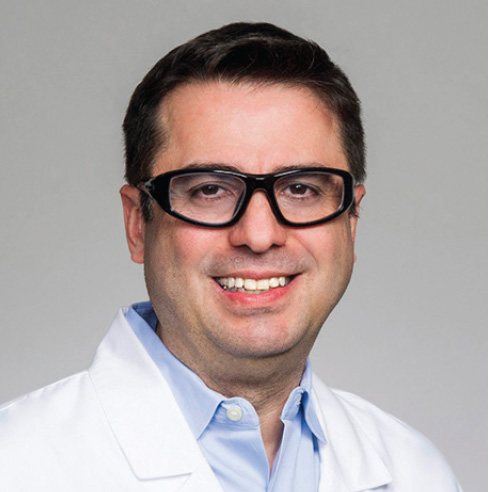
Jose Mendez, MD

Danbury Hospital

Jose.Mendez@nuvancehealth.org

Bio

Dr. Mendez is a practicing pulmonologist with more than 15 years of experience at Nuvance Health as a scholarly clinician. Dr. Mendez is board certified by the American Board of Internal Medicine in Internal Medicine, Pulmonary, Critical Care, and Sleep Medicine. He completed his medical residency at the University of Cordoba in Argentina where he obtained his medical degree. After moving to the United States, he entered the residency program at Danbury Hospital affiliated to Yale University where he graduated and received the Intern of the Year Award. He completed his fellowship training at the Mayo Clinic in Rochester Minnesota in Pulmonary, Critical Care and Sleep Medicine. His areas of expertise include asthma, COPD, interstitial lung diseases, critical illness, and sleep disorders such as sleep apnea, insomnia, and narcolepsy. He is part of the faculty at the Danbury Hospital Internal Medicine program and has collaborated with the faculty of the Norwalk Hospital Sleep Fellowship program. He has published book chapters and numerous articles in peer reviewed journals. He enjoys presenting at national pulmonary and sleep conferences as well as providing education sessions for the community. He is also actively participating in sleep and medical education research projects. As the medical director of the Sleep Disorders Center in Danbury and New Milford hospitals, Dr. Mendez takes special interest in providing comprehensive sleep evaluations and treatments for children and adults with complex sleep conditions. He is a member of the American Thoracic Society, the American Collage of Chest Physicians, the Society of Critical Care Medicine, and the American Academy of Sleep Medicine. Originally from Argentina, he speaks Spanish and enjoys traveling, running, biking, and taking long walks with his wife, children, and his German Shepherd.

Published Works

“TO FIGHT BURNOUT, ORGANIZE AND TEACH” Using Active Learning During ICU Rounds. Feeling of Learning (FOL) Vs. Actual Learning (AL) In a Community Hospital IM Program After Faculty Education and External Sources Curriculum Support

PROGRAM DISCUSSION
“TO FIGHT BURNOUT, ORGANIZE AND TEACH”
Using Active Learning During ICU Rounds. Feeling of Learning (FOL) Vs. Actual Learning (AL) In a Community Hospital IM Program After Faculty Education and External Sources Curriculum Support

Jose Mendez, MD

Patricia A. Tietjen, MD
Teaching Academy, Nuvance Health

Info

“TO FIGHT BURNOUT, ORGANIZE AND TEACH” Using Active Learning During ICU Rounds. Feeling of Learning (FOL) Vs. Actual Learning (AL) In a Community Hospital IM Program After Faculty Education and External Sources Curriculum Support

The purpose of this study is to understand the perceived feeling of learning (FOL) of a cohort of medical residents and feeling of teaching (FOT) for the faculty during their ICU rotation. These initial perceptions are compared with the actual performance or actual learning (AL) after a formal SCCM (Society of Critical Care Medicine) program evaluation. The metrics of evaluation of the residents are based on the FCCS (Fundamentals of Critical Care Support) while actual teaching (AT) scores are given to the faculty after they are trained in active learning techniques based on evidenced based learning theories: retrieval, spaced repetition, interleaving, frequent testing, elaboration, self-explanation and metacognition. This study follows a cohort of medical residents and students at Danbury Hospital before and after they receive a known and validated ICU content and skill program administered by the SCCM. IM residents and faculty from the Pulmonary Critical Care department involved in ICU teaching receive a five points Likert scale questionnaire via email to assess the FOL, burnout and feeling of teaching effectiveness (FOT). A two-day SCCM course: FCCS 7th edition is administered in our institution, the resident’s performance documented, and a second questionnaire submitted to evaluate the actual learning. In addition, faculty receive a brief PowerPoint training on active teaching techniques after which a repeat questionnaire is submitted to evaluate the post intervention actual teaching scores Out of 69 residents, 37 (53%) and 8/10 attending responded. Overall, all enjoyed the ICU rotation (residents and teachers), 27/37 residents strongly agreed, 8 agreed and 2 were neutral when asked about their FOL. 13 agreed and 24 strongly agreed the attending was effective in teaching, 24 wished all rotations could be like the ICU and 12 were neutral. 18/37 (48%) reported burnout symptoms. 7/9 teachers felt they had a positive FOT and a good feeling of effectiveness in teaching, and 2 were neutral. (Implications) Educators might consider devoting additional attention to improving teaching practices by supporting educational opportunities and training in active teaching for the faculty. This can translate to programs such as the FCCS to help the medical students and resident improve their experience during their ICU rotation. In addition, a mentorship program could be considered for residents to battel burnout early in these physicians’ careers.